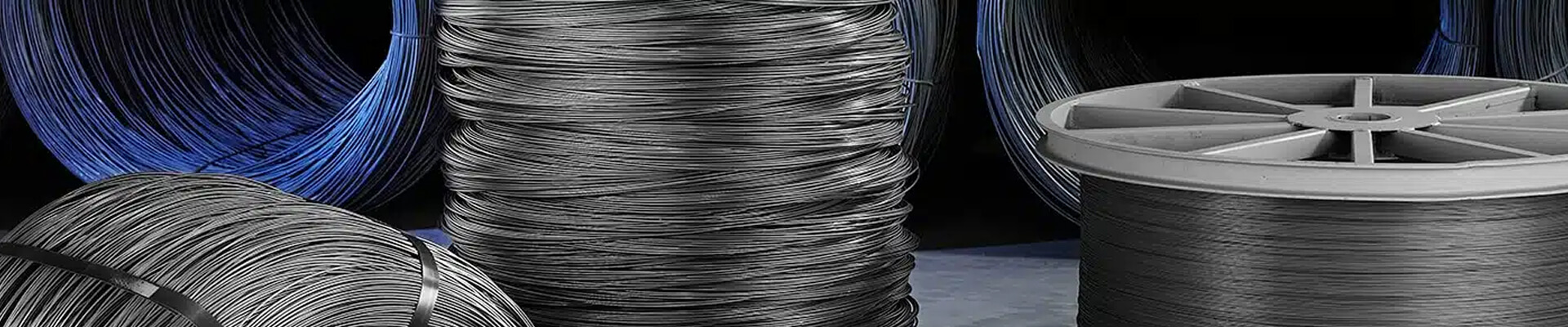
How to Buy Common Nails: Size, Finish, Quality and Export Packaging
How to Buy Common Nails: Size, Finish, Quality and Export Packaging
Aug 28, 2026
Common nails appear simple, but large-volume purchasing requires more than choosing a length and negotiating a price per ton. Two quotations may use the same product name while differing in shank diameter, head size, steel quality, surface finish, dimensional tolerance, net carton weight and moisture protection. These differences can affect driving performance, holding behavior, corrosion resistance, landed cost and customer complaints.
International buyers should begin with a written specification. ASTM F1667/F1667M covers driven fasteners including nails, spikes and staples and addresses classifications, material requirements and physical properties. The American Wood Council also points buyers to ASTM F1667 for nail dimensional tolerances. The applicable edition, local building rules and the intended use should be confirmed rather than assuming that every “common nail” is interchangeable.
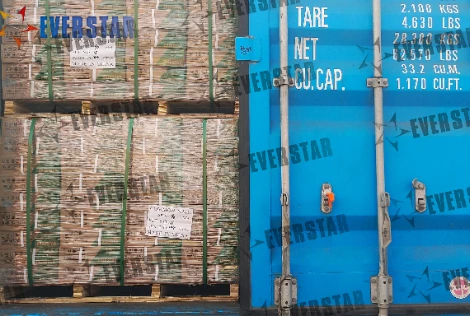
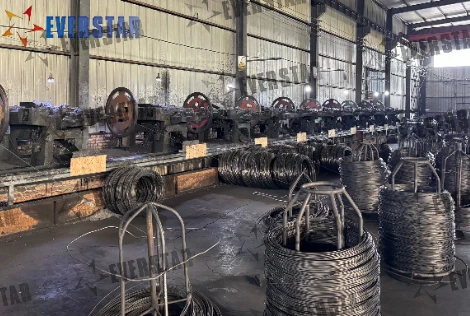
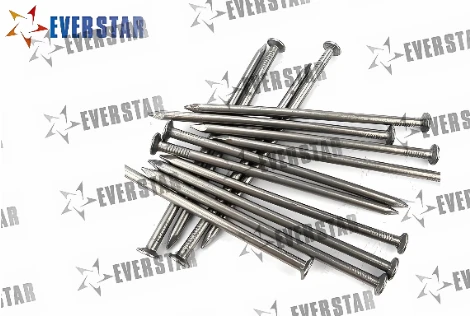
Suggested article images, left to right: Length and shank-diameter inspection for common nails; Bright, electro-galvanized and hot-dip galvanized finish comparison; Palletized export cartons inspected before container loading.
Define the Nail by Dimensions, Not Only by Name
A complete common nail specification normally includes overall length, shank diameter, head diameter, head thickness, point form and surface finish. Buyers should state both metric and inch units when supplying a conversion, but one system should be identified as controlling. Gauge numbers can vary by market and should not replace an actual diameter in millimeters or inches.
Length and shank diameter influence the application and quantity per unit weight. A small change in diameter can materially change the number of nails in a carton and the steel consumed. Confirm whether commercial tolerance applies to each dimension and how samples will be measured. Head concentricity, shank straightness and point symmetry should also be included in visual inspection.
Choose the Finish for the Exposure
Bright polished common nails are typically selected for dry interior work, temporary construction, wooden packaging and general applications where enhanced corrosion resistance is not required. Electro-galvanized nails provide a smooth, bright zinc finish and are often chosen for moderate protection and clean appearance. Hot-dip galvanized nails have a heavier, usually duller coating and are considered where greater exposure protection is required.
The correct choice depends on moisture, treated timber, chemicals, coastal conditions, service life and local code. A coating should never be selected by appearance alone. The American Wood Council advises that fasteners used with connectors should have at least the same corrosion resistance as the connector. Some severe environments may require approved stainless-steel or other corrosion-resistant fasteners rather than ordinary galvanized nails. Buyers should obtain project-specific advice where structural or safety performance matters.
Inspect Material and Manufacturing Quality
Common wire nails are normally manufactured from steel wire through straightening, cutting, head forming and point forming, followed by polishing or coating when specified. Incoming wire, machine settings and tool condition influence the finished product. A reliable inspection plan should cover dimensions, straightness, head formation, point geometry, surface cleanliness and the absence of cracks or excessive burrs.
Mechanical requirements should be linked to the relevant standard or an agreed test method. Nails need sufficient toughness for their intended driving conditions; brittle failure, badly offset heads and inconsistent points are common reasons for rejection. When comparing suppliers, request a pre-production sample and retain an approved reference for future batches.
Calculate Packaging and Landed Cost Carefully
Packaging is part of the product specification. Confirm net nail weight per inner pack, net weight per carton, gross weight, carton strength, liner or moisture barrier, pallet size, pallet gross weight, straps, stretch wrap and shipping marks. A low unit price can be offset by weak cartons, inaccurate net weights, damaged pallets or inefficient container utilization.
For humid routes or long storage periods, discuss sealed inner packaging, desiccant and moisture protection. Pallets should be stable and compatible with the destination warehouse. The supplier and buyer should also agree whether cartons are sold by net weight, approximate piece count or exact count, because each method requires a different inspection approach.
Prepare a Clear Common Nails Purchase Order
A practical purchase order should state the product name, material, length, shank diameter, head dimensions, point, finish, applicable standard, tolerance, test requirement, unit packing, carton net weight, pallet plan, quantity, marks and inspection documents. Include drawings or approved samples for non-standard sizes. Before shipment, verify batch quantity, packing condition and loading arrangement.
EVERSTAR supplies common nails in customized sizes, finishes and export packaging for wholesalers, distributors, construction suppliers and industrial users. Dimensional inspection, surface checks, packaging confirmation and container-loading support can be arranged according to the approved order. A detailed specification at the beginning is the most effective way to obtain consistent quality across repeat shipments.
Buyer Checklist
● Length, shank diameter, head dimensions and point geometry
● Bright, electro-galvanized, hot-dip galvanized or other approved finish
● Applicable standard, edition, tolerance and inspection method
● Net weight or piece count, inner packing, carton and pallet requirements
● Moisture protection, shipping marks, loading plan and sample approval
Image ALT Text
● Image 1: Factory quality inspection of common wire nail dimensions
● Image 2: Comparison of bright and galvanized common nail finishes
● Image 3: Common nails packed in export cartons on pallets for shipment
Reference Sources
Use these sources for editorial verification; confirm applicable local regulations and current standard editions before publication or project use.
● ASTM International - F1667/F1667M Standard Specification for Driven Fasteners
● American Wood Council - Fastener dimensional tolerance FAQ
None
Ready To Work With Us?
Navigation
Navigation
Contact Us
Phone: +86 0311 857 99988
Phone: +86 199 330 44444
Telephone: +86 199 330 44444
WhatsApp: +86 199 330 44444
Address:Qiji Industrial Zone, 052460, Wuji County, Shijiazhuangcity, Hebei Province, China.